Example Benefits of the Three TES Models
One platform. Three ways to deploy it. The sectors named on the site are examples of where each model can help, not a closed list.
Examples, not a limit
The Trinium Energy System is one architecture configured three ways. When the site lists data centers, agriculture, or disaster relief beside a model, those lines are example use cases. They show the kind of job the configuration is built for. They do not mean TES is useful only in those sectors.
A site with a different name can still need the same thing: dispatchable power, recoverable water, or a practical way to put a carbon stream to work. The model is chosen for the job, not for a single industry label.
Standard TES
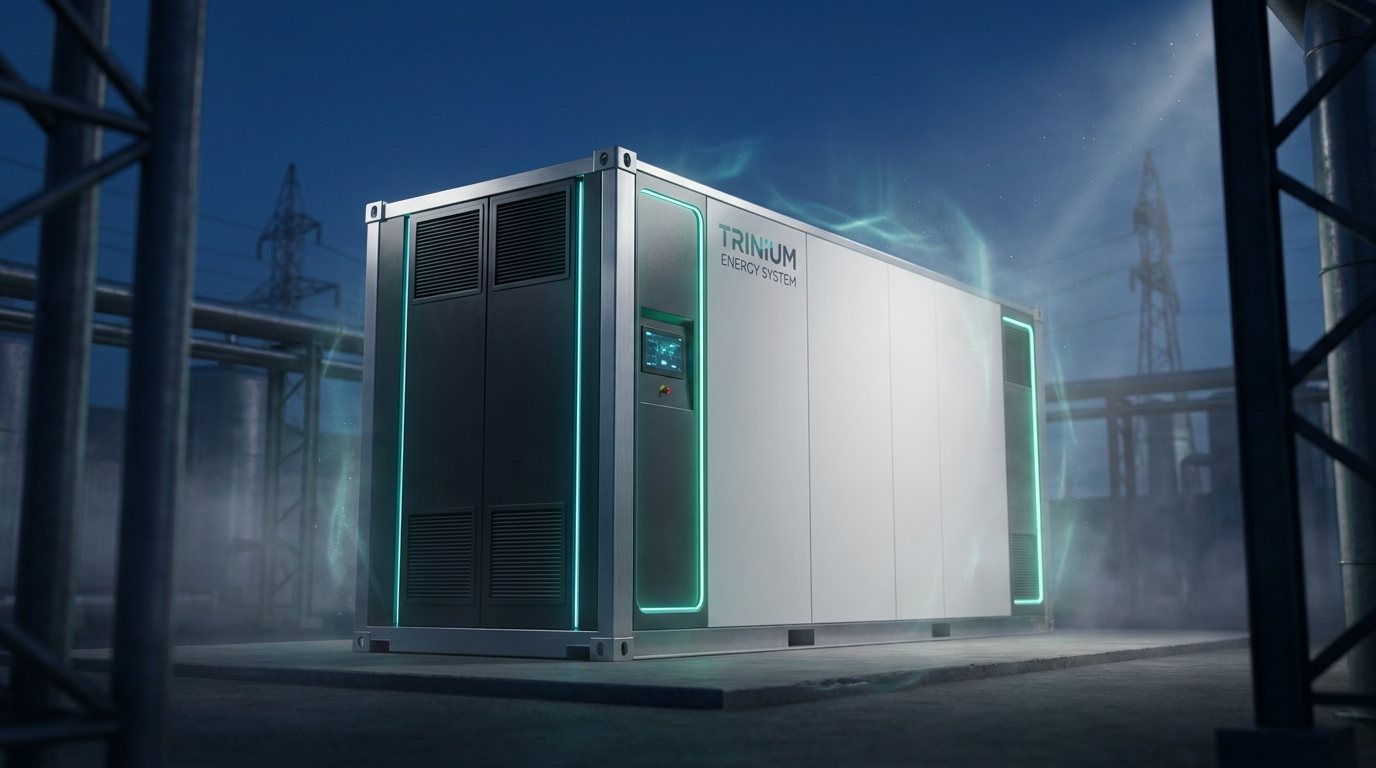
Standard TES is preloaded, containerized, and meant to drop in and run. A representative target is 150 to 200 kW of net power and 350 to 400 gallons of recoverable water a day, without needing a constant on site CO₂ source.
Example benefits:
- Power where the grid is thin or absent, including behind the meter sites and remote infrastructure.
- Water alongside that power, so a critical site is not solving two logistics problems with two separate plants.
- A transportable footprint for data centers, hospitals, marine operations, humanitarian work, defense, and FEMA or disaster relief.
Industrial Facility
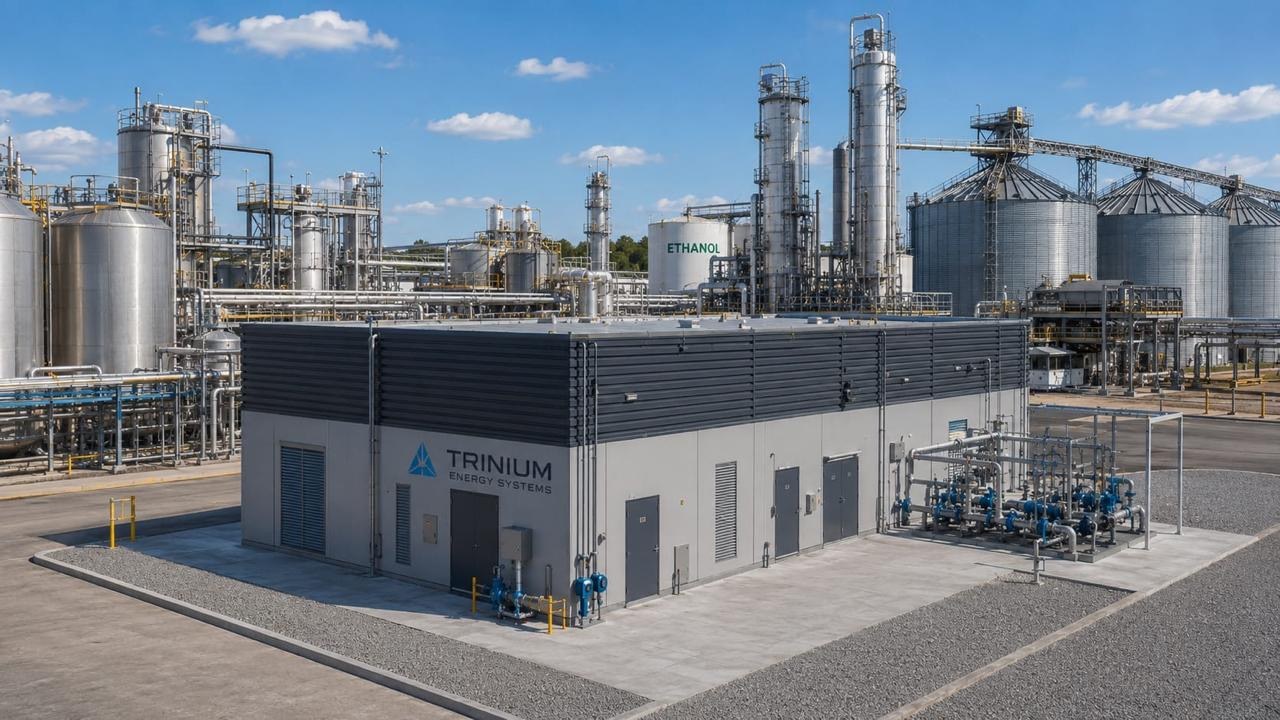
The Industrial Facility starts larger: about 1 MW of net power and 2,300 or more gallons of water a day. It can connect to an industrial or already captured CO₂ stream for carbon utilization and fuel regeneration. It can also serve a site that simply needs more on site power and water, even without a CO₂ source, because the system still runs on preloaded TES fuel.
Example benefits:
- Scale for ethanol and renewable fuels, ammonia and hydrogen, and other industrial plants.
- Carbon put to work when a managed CO₂ stream is already on site.
- Firm power and water for data centers and for regions where grid and water infrastructure are still being built.
Industrial Water Plant
The Industrial Water Plant sends the unit's energy back into the process so water is the priority. A representative target is 6,000 gallons a day.
Example benefits:
- More recoverable water from the same core platform when water, not export power, is the mission.
- Support for irrigation, community resilience, and remote or defense water needs.
- One system to maintain instead of pairing a generator with a separate water plant.
The three lists are examples of benefit. They are not the boundary of the platform.
Frequently asked
No. They are example use cases. The same architecture can be configured for other sites that need dispatchable power, recoverable water, or carbon utilization.
Start with the primary need. Standard TES fits containerized power and water. The Industrial Facility fits larger power and water, with or without an industrial carbon stream. The Industrial Water Plant fits deployments where water output comes first.